
Myth 1
“IVF always works.”
Fact
IVF gives hope, but it does not guarantee pregnancy. Success depends on factors like age, egg quality, sperm quality, and overall health.
Myths about IVF travel fast — and they often cause more worry than they need to. Here are ten of the most common ones, and what is actually true.
“IVF always works.”
IVF gives hope, but it does not guarantee pregnancy. Success depends on factors like age, egg quality, sperm quality, and overall health.
“IVF is only for women.”
Fertility problems can happen in both men and women. IVF can help when the problem is with the woman, the man, or both.
“IVF always results in twins.”
Not anymore. Today, doctors often transfer just one healthy embryo, so most IVF pregnancies result in a single baby.
“IVF babies are not healthy.”
IVF babies are just as healthy and loved as naturally conceived babies. Millions of healthy IVF babies have been born worldwide.
“IVF is very painful.”
Most women feel only mild discomfort. The egg collection procedure is done under anesthesia, so you won't feel pain during it.
“Stress causes IVF to fail.”
Feeling worried or emotional is normal. Stress alone does not cause IVF to fail, but taking care of your mental health is important.
“You need complete bed rest after embryo transfer.”
No. Normal daily activities are safe. Your doctor may only ask you to avoid heavy exercise or lifting.
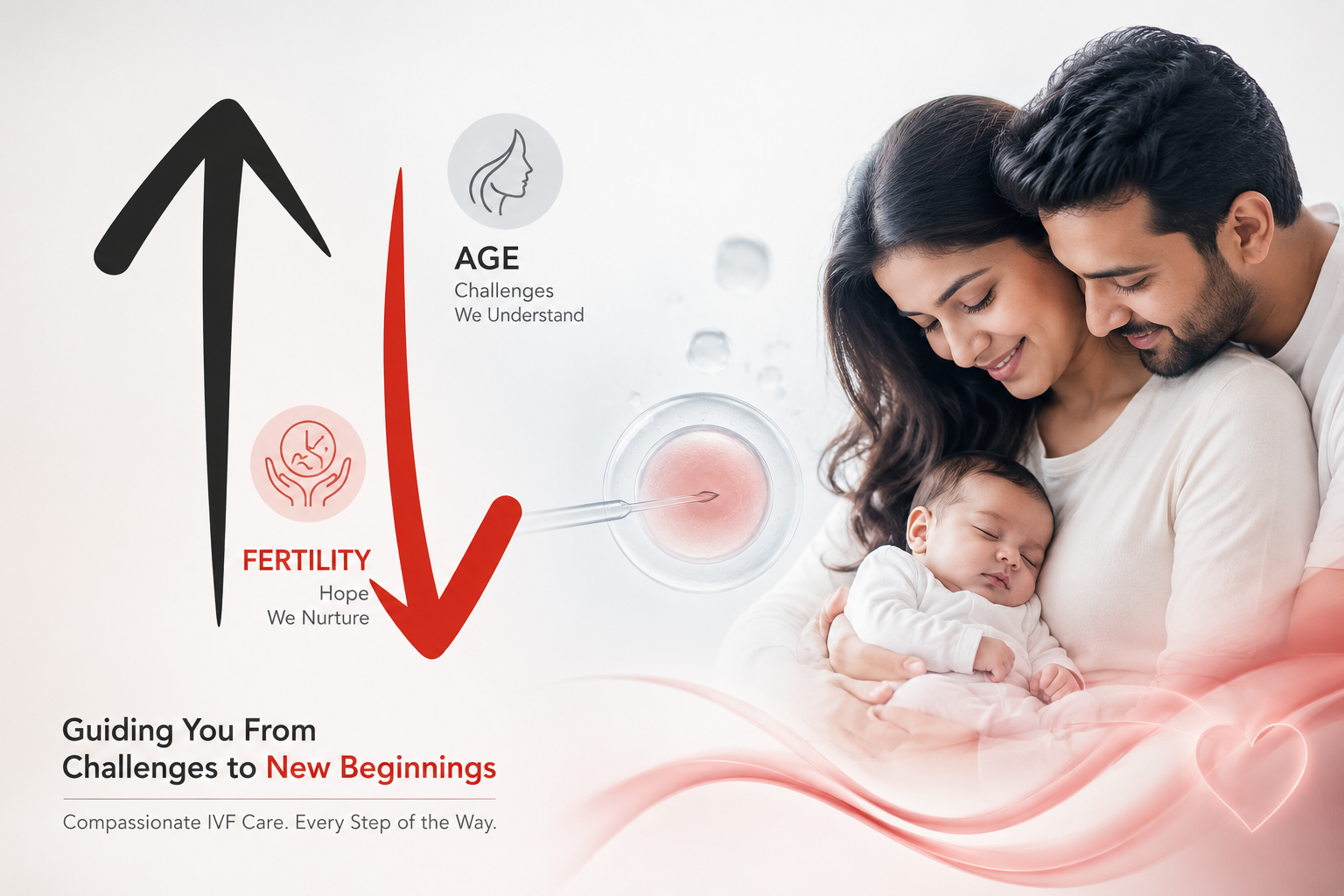
“Age doesn't matter with IVF.”
Age is one of the most important factors. Younger eggs usually have a better chance of leading to a healthy pregnancy.
“IVF causes cancer.”
Current research shows no strong evidence that IVF treatment causes cancer.
“A healthy lifestyle doesn't matter during IVF.”
Eating healthy, getting enough sleep, avoiding smoking/ alcohol will improve results.
Talk to us and the supporting team to understand the treatment plan that is best for you.