Back to Educate IVF
Understanding IVF

Age and IVF success

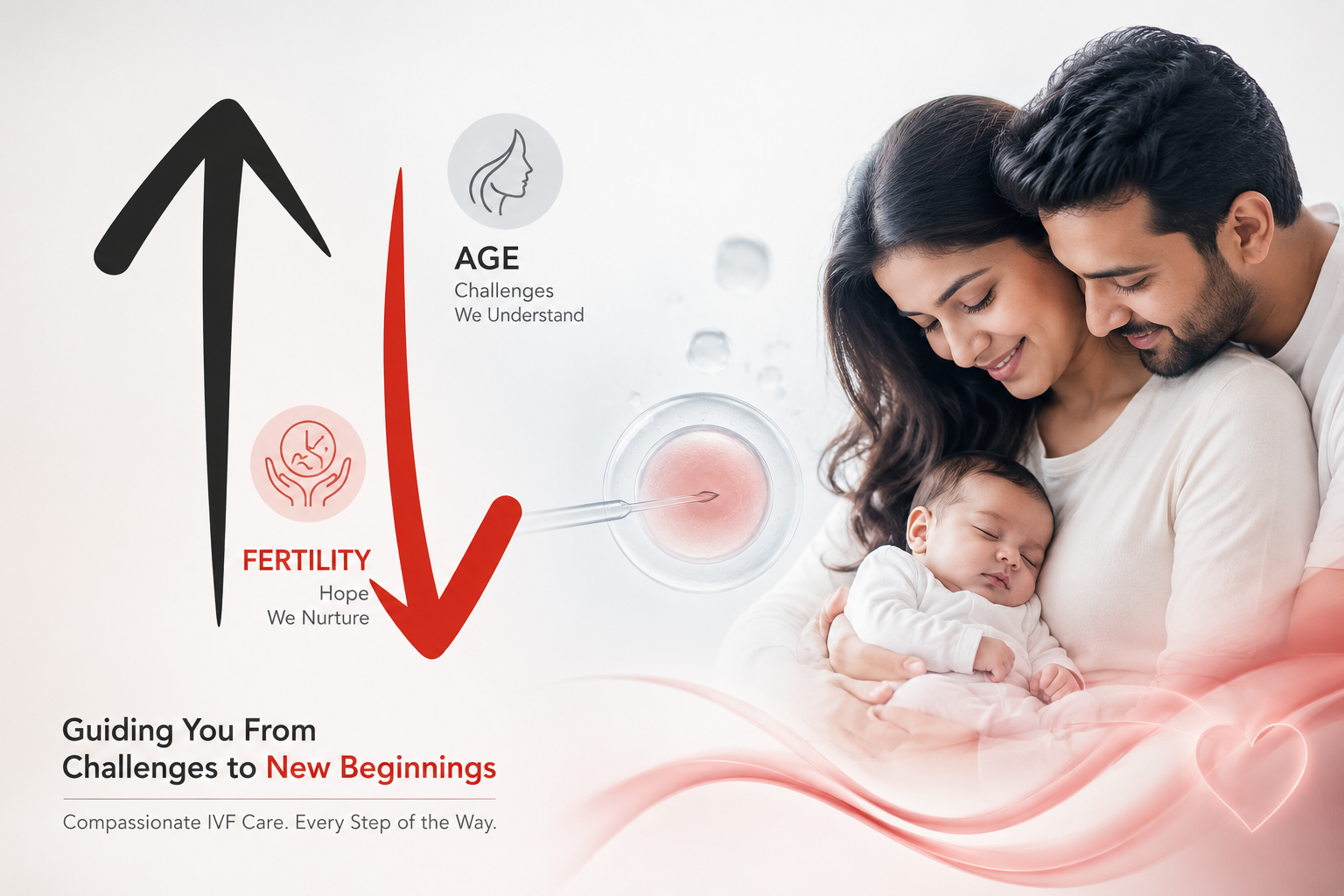
As women get older, it becomes harder to become pregnant naturally or through IVF. This is because both the number and quality of eggs decrease with age.

Age and IVF success

Common Challenges in IVF with Increasing Age

  • Fewer eggs are available during treatment.
  • Eggs may not fertilize as well.
  • Fewer healthy embryos are formed.
  • Lower chance of embryo implantation.
  • Higher chance of miscarriage.
  • More than one IVF cycle may be needed.
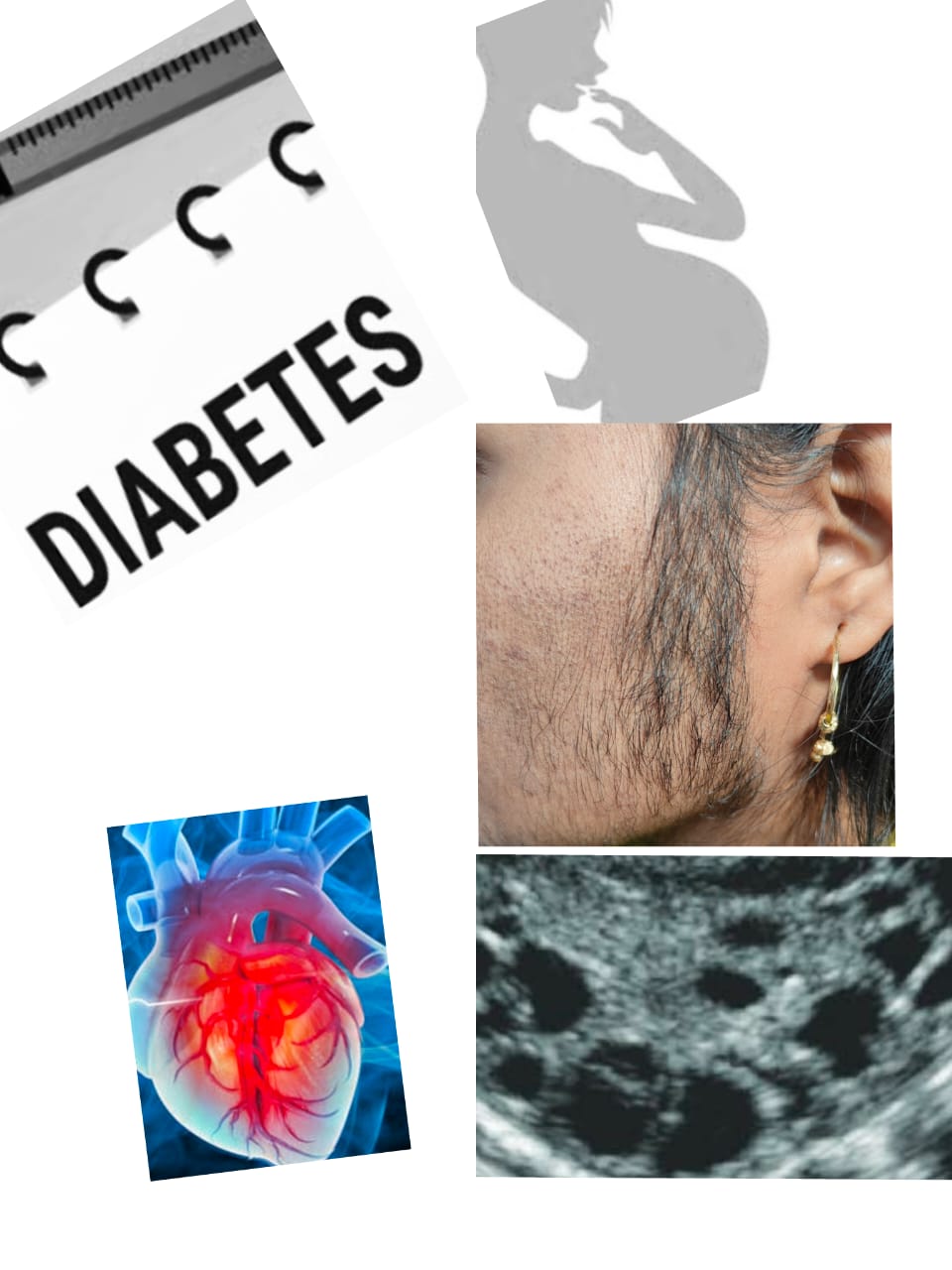
  • Pregnancy complications, such as high blood pressure and diabetes, are more common in older mothers.

What Can Help?

  • Do not delay fertility treatment if you are planning a pregnancy.
  • Maintain a healthy weight, eat a balanced diet, exercise regularly, and avoid smoking and alcohol.
  • Follow your doctor's advice regarding medications and treatment.
  • In some cases, genetic testing of embryos or using donor eggs may improve the chance of a healthy pregnancy.

Typical IVF success trends by maternal age (using own eggs)

AgeGeneral live birth chance per IVF cycle*
Under 35~40–50%
35–37~30–40%
38–40~20–30%
41–42~10–20%
Over 42Usually less than 5–10%

These are approximate ranges and vary by clinic, diagnosis, embryo quality, and individual health.

Key Message: Age is one of the most important factors affecting IVF success. Starting treatment earlier generally gives a better chance of pregnancy. However, every woman is different, and many women still achieve successful pregnancies with the right treatment and care.
Have a question about your situation?

Talk to our specialists

No pressure — just honest answers.

Keep reading.